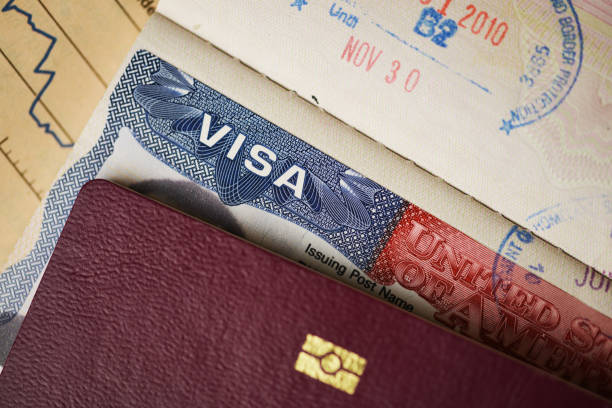
Gulf countries such as the United Arab Emirates, Qatar, and Saudi Arabia remain some of the most attractive destinations for foreign workers. With strong economies, tax-free salaries, and large expatriate populations, these countries continue to recruit international talent across multiple sectors.
For many foreigners, working in the Gulf offers the opportunity to earn higher income, gain international experience, and save more due to low or zero income tax. This guide explains the most in-demand jobs in the UAE, Qatar, and Saudi Arabia, including what employers look for and why these roles remain open to foreign workers.
Why Gulf Countries Hire Foreign Workers
Gulf economies rely heavily on skilled and semi-skilled expatriates to support growth in infrastructure, healthcare, education, oil and gas, tourism, and technology. Local labor supply is often not enough to meet demand, so employers recruit internationally.
Key benefits for foreign workers include:
- Tax-free or low-tax salaries
- Employer-sponsored work visas
- Free or subsidized accommodation
- Healthcare coverage
- Contract-based job security
Top Jobs in Gulf Countries for Foreigners
1. Healthcare and Medical Jobs
Healthcare professionals are consistently in high demand across the Gulf.
Popular roles include:
- Nurses
- Doctors and specialists
- Medical laboratory technicians
- Radiographers
- Caregivers
Hospitals and private clinics actively sponsor foreign healthcare workers, especially those with international experience.
2. Construction and Engineering Jobs
Large infrastructure projects drive strong demand for engineers and construction workers.
Common roles include:
- Civil engineers
- Mechanical and electrical engineers
- Quantity surveyors
- Site supervisors
- Skilled construction workers
Saudi Arabia and Qatar, in particular, continue to invest heavily in mega projects.
3. Oil, Gas, and Energy Jobs
The oil and gas sector remains a major employer in the Gulf.
In-demand positions include:
- Petroleum engineers
- Drilling engineers
- Safety officers
- Technicians
- Energy project managers
These jobs often offer high salaries and long-term contracts.
4. Information Technology and Tech Jobs
Digital transformation has increased demand for IT professionals.
Common roles include:
- Software developers
- Network engineers
- Cybersecurity specialists
- Data analysts
- IT support engineers
Tech professionals often enjoy flexible work environments and competitive pay.
5. Teaching and Education Jobs
Education remains one of the most accessible fields for foreigners in the Gulf.
Popular roles include:
- School teachers
- University lecturers
- Early childhood educators
- Special education instructors
International schools and universities frequently hire foreign teachers.
6. Hospitality and Tourism Jobs
Tourism growth creates ongoing opportunities in hotels, restaurants, and resorts.
Common roles include:
- Hotel managers
- Chefs and cooks
- Front desk staff
- Housekeeping supervisors
- Event coordinators
The UAE especially offers strong opportunities in this sector.
7. Accounting and Finance Jobs
Businesses in the Gulf require skilled finance professionals.
In-demand roles include:
- Accountants
- Auditors
- Financial analysts
- Payroll officers
Professional certifications improve employment prospects.
8. Sales, Marketing, and Business Development Jobs
Companies seek foreign professionals to expand regional and international markets.
Roles include:
- Sales executives
- Marketing managers
- Business development officers
- Digital marketers
Strong communication skills are essential in these roles.
9. Skilled Trades and Technical Jobs
Technical workers are widely recruited across industries.
Common jobs include:
- Electricians
- Plumbers
- HVAC technicians
- Welders
- Maintenance technicians
Many employers provide accommodation and transportation.
10. Domestic and Support Service Jobs
Support roles remain widely available for foreigners.
Typical jobs include:
- Cleaners
- Security guards
- Drivers
- Domestic helpers
These roles often require minimal formal education.
General Requirements to Work in Gulf Countries
Although requirements vary by job and country, most employers require:
- Valid passport
- Relevant qualifications or experience
- Medical fitness certificate
- Background check
- Employment contract
Employers usually handle work visa processing.
Salary Expectations in the Gulf
Salaries depend on role, experience, and country. However, most jobs offer higher take-home pay compared to many regions due to tax-free income. Accommodation, transport, and health insurance are often included.
FAQs About Jobs in Gulf Countries for Foreigners
1. Which Gulf country has the most job opportunities for foreigners?
The UAE offers the widest range of jobs, followed closely by Saudi Arabia and Qatar.
2. Do Gulf jobs offer visa sponsorship?
Yes. Most employers sponsor work visas for foreign employees.
3. Can foreigners work in the Gulf without a degree?
Yes. Many jobs in construction, hospitality, trades, and domestic services do not require a degree.
4. Are salaries tax-free in Gulf countries?
Most Gulf countries offer tax-free or very low-tax salaries.
5. Is work experience required for Gulf jobs?
Some entry-level roles accept minimal experience, but professional jobs usually require relevant experience.
Wrapping Up…
Jobs in Gulf countries remain highly attractive for foreigners seeking better income, career growth, and international exposure. With strong demand across healthcare, construction, technology, education, and hospitality, opportunities exist for both skilled and semi-skilled workers.
With the right qualifications and preparation, working in the UAE, Qatar, or Saudi Arabia can provide financial stability and valuable global experience.
READ ALSO: Best Countries for Nurses to Work in 2026